Low Testosterone - Symptoms, Causes and Treatment
Low testosterone doesn't just affect your energy levels but also your mood, sex drive, muscle strength, and your overall sense of wellbeing. But these issues aren't only because of low testosterone. Stress, poor sleep, certain health conditions, or even some medications can all cause similar symptoms. Just having these signs doesn't mean you definitely have testosterone deficiency.
GP-Led · Confidential · No Referral Needed
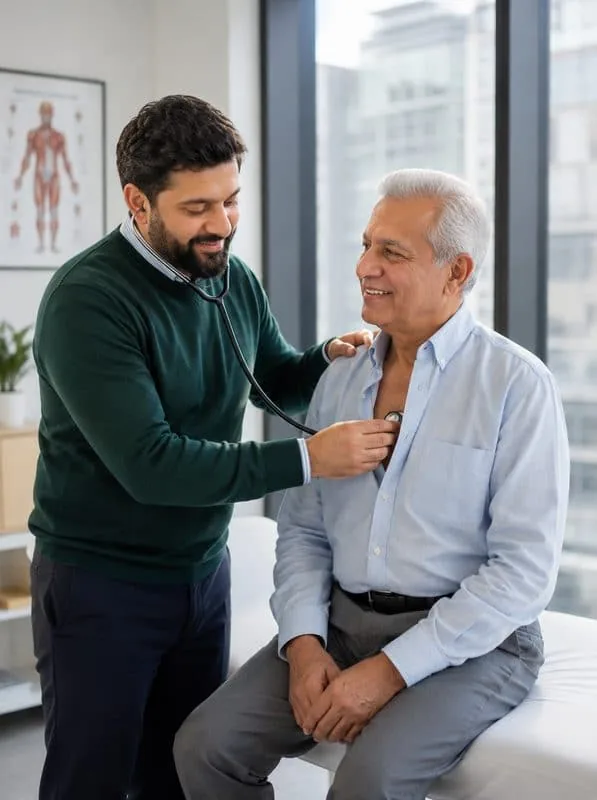
At My Private Clinic in Fulwood, Preston, Dr Faizal offers private assessments for men who are worried about low testosterone. He'll look at your symptoms, go through your medical history, and prescribe relevant blood tests to figure out if you actually need more investigation or possible treatment.
If testing confirms testosterone deficiency, Dr Faizal can discuss what treatment or further investigation may be appropriate for you.
Book a Private GP Appointment to understand the possible cause of your symptoms
Reviewed by Dr Faizal Secretary, MRCGP · GMC 7606534
What Are the Symptoms of Low Testosterone?
Symptoms of low testosterone often appear gradually, and not all men may experience the same changes.
Typical indicators of low testosterone include:
Physical symptoms
- Persistent tiredness or low stamina
- Reduced muscle mass or strength
- Increased body fat
- Reduced body or facial hair
- Reduced physical stamina
Sexual symptoms
- Reduced sex drive
- Erectile dysfunction
- Changes in sexual performance
- Issues with fertility
Mood and cognitive issues
- Feeling depressed, agitated, or uninspired
- Inability to focus
- Low self-esteem or an overall shift in wellbeing
Symptoms such as tiredness, low mood and difficulty concentrating can also occur with other conditions. A Private Testosterone test alongside a clinical assessment is therefore needed to confirm testosterone deficiency.
What Causes Low Testosterone in Men?
Testosterone deficiency (also known as male hypogonadism) can occur due to a number of reasons.
Problems with the testes
Primary hypogonadism means the testes just aren't making enough testosterone. Things like testicular injuries, infections, genetic conditions, or past cancer treatment can be the possible reasons for this problem.
Problems with hormone signalling
Secondary hypogonadism happens when the pituitary gland or hypothalamus isn't giving the right hormonal signals to the testes to make enough testosterone. Pituitary conditions, major illnesses, or other hormonal issues can play a role here.
Other factors that can contribute to low testosterone include:
- Obesity
- Type 2 diabetes
- Sleep apnoea
- Drinking too much alcohol
- Certain medications
- Chronic health conditions
- Past anabolic steroid use
Identifying the cause is the first step in determining the best possible treatment.
How Is Low Testosterone Diagnosed?
Symptoms alone aren't enough to diagnose low testosterone. Your GP will look at your whole health picture; your symptoms, medical history, any medications you're taking, and other possible explanations.
If he finds it's appropriate, you'll be asked to get a private testosterone test done.
Testosterone levels vary during the day, so testing is generally carried out in the morning. If results are low, repeat testing or additional hormone tests may be recommended for confirmation.
Depending upon your symptoms Dr Faizal may ask you to have the following blood test:
- Total and free testosterone
- SHBG
- LH and FSH
- Prolactin
- Other tests where clinically appropriate
What Happens If Your Testosterone Level Is Low?
Getting a low result on your testosterone test doesn't mean you automatically need testosterone replacement treatment.
Dr Faizal will look at:
- Whether your symptoms are consistent with testosterone deficiency
- Whether low testosterone has been confirmed through appropriate testing
- Possible underlying causes and other health conditions
- Whether testosterone treatment would be suitable and safe for you
What Treatment Is Available for Low Testosterone?
Male hypogonadism treatment is based on your unique situation and the underlying cause. Testosterone Replacement Therapy UK may be considered if a testosterone deficiency is confirmed and treatment is suitable for your situation. Gels and injections are two of the various ways that TRT can be administered. Your GP will discuss the best solutions, possible advantages and disadvantages, and any necessary monitoring that may be needed in your case.
Your treatment plan may also include lifestyle changes, especially if low testosterone is being caused by variables like weight, sleep, alcohol consumption, or other medical disorders.
Can Testosterone Be Increased by Supplements?
If you're looking for pills to boost your testosterone, keep in mind that they can't replace a medical evaluation. When a nutritional shortage is found, supplements might be helpful, but they might not deal with the root reason of low testosterone.
If you show symptoms of low testosterone consult your GP about appropriate blood testing and evaluation which is most suitable for your case.
What Advantages do Testosterone Injections provide?
For men with confirmed testosterone deficiency and who are suitable for the treatment, testosterone injections can help improve symptoms like reduced libido, fatigue and reduced muscle strength.
People respond differently to testosterone replacement treatment depending on the cause, degree of deficiency and the overall health.
Injections are just one way to replace testosterone. Dr Faizal can discuss whether injections are appropriate for you.
Testosterone injections side effects:
Testosterone replacement treatment can have the possible underlying side effects, including acne or oily skin, fluid retention, changes in your red blood cell levels, mood changes, suppressed sperm production, and other effects specific to the treatment used. These are set out in full, with the monitoring that goes alongside them, on our Testosterone Replacement Therapy page.
If you're planning to have kids, make sure you discuss this with your GP before starting any kind of testosterone replacement treatment as this treatment may potentially decrease the amount of sperms produced in your body.
Low Testosterone Treatment in Preston
If you are looking for low testosterone treatment near me or low testosterone treatment for men in Preston, Dr Faizal at My Private Clinic in Fulwood offers confidential private GP appointments.
He can review your symptoms, medical history and test results before discussing whether further investigation or treatment may be appropriate. No referral from your NHS GP is required.
For more information about eligibility, treatment options and monitoring, see our Testosterone Replacement Therapy page.
What Happens During a Low Testosterone Consultation?
The appointment is all about understanding your symptoms and figuring out if low testosterone is actually responsible for them.
Depending on your situation, it may include:
- Discussing your symptoms, medical history and medications
- Considering lifestyle factors and other possible causes
- Arranging or reviewing relevant blood tests
- Discussing your results and appropriate next steps
What you need and how often you repeat the testing depends on your own situation and there's no "one size fits all."
How Much Does Low Testosterone Treatment Cost?
A private adult GP consultation at My Private Clinic costs:
Blood tests and any medication prescribed are charged separately where required. See our full pricing.
Frequently Asked Questions on Testosterone Deficiency
Reviewed by Dr Faizal Secretary, MRCGP
What causes low testosterone in men?
Low testosterone can come from problems with the testes or the hormones that tell your body to make testosterone. Being overweight, having diabetes, sleep apnoea, some medicines, or other health conditions can also be factors responsible for low testosterone.
How do you know if you have low testosterone?
Symptoms like a drop in libido, fatigue that won't go away, problems with erections, feeling low, or less muscle strength can all point to low testosterone. But these are common symptoms, so blood testing and a clinical assessment are really needed to be sure.
What is a dangerously low testosterone level?
There's no single number that means "danger." Results need to be interpreted alongside symptoms, repeat testing and other clinical factors. Your GP can advise if your low level needs treatment.
How low does testosterone have to be for treatment?
There's no universal cut-off. Treatment depends on your test results, symptoms, the underlying cause, and whether testosterone replacement is right for your situation.
What is the treatment for low testosterone?
If testing confirms you need it, testosterone replacement therapy is the main treatment option considered for low testosterone. But often, treating underlying health or lifestyle issues matters just as much and can make visible differences.
Meet Dr Faizal Secretary

Dr Faizal works in both NHS and private practice and provides confidential consultations for men's health concerns, including suspected testosterone deficiency. He can review your symptoms, medical history and test results before discussing whether further investigation or treatment may be appropriate.
Related Men's Health Services
Book a Private GP Consultation for Low Testosterone
If you have symptoms that could be related to low testosterone, a private GP consultation can help determine whether further testing or assessment is appropriate.