Private PCOS treatment in Preston
Polycystic ovary syndrome can affect your menstrual cycle, fertility, skin, weight, and overall wellbeing. Early assessment and appropriate treatment can help manage symptoms and reduce the risk of long-term health complications.
Confidential · Evidence-Based · No Referral Needed

Expert assessment & personalised care for PCOS
Polycystic ovary syndrome (PCOS) is one of the most common hormonal conditions affecting women of reproductive age. It can affect your menstrual cycle, fertility, skin, weight, and overall wellbeing. Early assessment and appropriate treatment can help manage symptoms, reduce the risk of long-term health complications, and support your reproductive and hormonal health.
If you're looking for private PCOS treatment in Preston, Dr Faizal Secretary provides personalised assessment, diagnosis, and ongoing management in a professional and confidential setting. Appointments are available face-to-face at our Fulwood clinic, by telephone, by secure video consultation, same-day where available, and as home visits where clinically appropriate. No registration is required, and you can continue to remain registered with your NHS GP.
Reviewed by Dr Faizal Secretary, MRCGP · GMC 7606534
Causes & symptoms
PCOS affects women in different ways, and symptoms can range from mild to more significant hormonal and reproductive health concerns. Early assessment and appropriate management can help control symptoms and reduce the risk of long-term health complications. You can also learn more in the NHS guide to polycystic ovary syndrome.
Causes & risk factors
- Hormonal imbalance
- Insulin resistance
- Family history of PCOS
- Genetic factors
- Excess androgen (male hormone) levels
Common symptoms
- Irregular or missed periods
- Difficulty becoming pregnant
- Acne or oily skin
- Excess facial or body hair (hirsutism)
- Thinning hair or hair loss
- Weight gain or difficulty losing weight
- Polycystic ovaries on ultrasound
- Darkened patches of skin (acanthosis nigricans)
If you're experiencing irregular periods, you may also find our menstrual & period problems care helpful.
When should you seek medical advice?
You should consider seeking medical advice if:
- Your periods become irregular, infrequent, or stop unexpectedly
- You're finding it difficult to become pregnant
- You develop persistent acne, excessive facial or body hair, or thinning hair
- You're gaining weight without a clear cause or finding it difficult to lose weight
- You have symptoms that may suggest insulin resistance, such as darkened patches of skin
- Your symptoms are affecting your daily life, confidence, or emotional wellbeing
- You've been told you may have PCOS but haven't had a full assessment
Not all hormonal or menstrual symptoms are caused by PCOS. If you require prompt assessment, you may also be able to book one of our same-day and urgent GP appointments, subject to availability.
How we diagnose PCOS
Diagnosing PCOS involves assessing your symptoms, menstrual history, and overall health. As there isn't a single test to diagnose PCOS, a thorough assessment is important. You can also learn more from the Royal College of Obstetricians and Gynaecologists.
During your consultation, Dr Faizal Secretary will discuss your symptoms, menstrual cycle and medical history, review any medications, contraception and relevant family history, assess how your symptoms are affecting your daily life, perform an examination where clinically appropriate, and recommend blood tests where clinically indicated to assess hormone levels and rule out other conditions.
If further investigations are recommended, they may include:
- Blood tests to assess hormone levels, blood sugar, cholesterol, or thyroid function
- Referral for a pelvic ultrasound where clinically appropriate
- Referral to a specialist if additional assessment is required
Once your assessment is complete, we explain your diagnosis and discuss the findings, recommend the most appropriate treatment, develop a personalised management plan, and arrange follow-up — including telephone and video consultations — where clinically appropriate. Our aim is to identify the underlying cause of your symptoms and provide personalised care to support your long-term hormonal and reproductive health. Referral to a specialist can be arranged if additional assessment is required.
Treatment for PCOS
Treatment for PCOS depends on your symptoms, overall health, and individual goals. Our approach follows current evidence-based practice, including the International Evidence-based Guideline for the Assessment and Management of PCOS. Where clinically appropriate, treatment may include:
Lifestyle Advice
Practical advice to help manage symptoms and improve your overall health.
Medication
Medication to help regulate periods, improve ovulation, or manage hormonal symptoms, where clinically appropriate.
Medical Weight Management
Support with weight management where appropriate, as weight loss may help improve PCOS symptoms.
Contraception Review
Review of your contraception if it may help manage your symptoms or regulate your menstrual cycle.
Monitoring Blood Tests
Blood tests to monitor hormone levels or other health markers where clinically appropriate.
Specialist Referral
Referral for further investigations or specialist assessment if required.
Where relevant, this may involve medical weight management, a review of your contraception, or private prescriptions issued where clinically appropriate.
Our PCOS services
Following your assessment, Dr Faizal Secretary will recommend the most appropriate treatment based on your symptoms, medical history, examination findings, and any investigations where clinically appropriate.
Private PCOS Consultations
Comprehensive assessment to diagnose PCOS and identify any underlying hormonal or reproductive health concerns.
Blood Tests
Where clinically appropriate, to assess hormone levels, blood sugar, cholesterol, thyroid function, and other relevant markers.
Personalised Treatment Plans
Individual management plans tailored to your symptoms, health goals, and lifestyle.
Medical Weight Management
Support with weight management where appropriate, as weight loss may help improve PCOS symptoms.
Medication Review & Private Prescriptions
Assessment of your current medication or contraception, with private prescriptions provided where clinically appropriate.
Ongoing Monitoring & Follow-Up
Regular reviews to monitor your symptoms and response to treatment, including telephone and video consultations where appropriate.
Specialist Referral
Referral for further investigations or specialist gynaecology or fertility assessment where clinically appropriate.
What happens during your PCOS consultation?
Discussion
We'll discuss your symptoms, menstrual cycle, medical history, current medications, and any concerns about your health.
Assessment
We'll determine whether blood tests, a pelvic ultrasound, or further investigations are appropriate, and explain your diagnosis and treatment options.
Personalised Treatment Plan
You'll receive a personalised treatment plan based on your individual needs. Where clinically appropriate, this may include lifestyle advice, medication, medical weight management, ongoing monitoring, or specialist referral.
Pricing for private PCOS consultations
There is no registration fee or joining fee, and you'll receive personalised care from the same experienced GP throughout your assessment and treatment.
The cost of any prescribed medication, blood tests, additional investigations, or specialist referrals is payable separately where applicable. Any additional costs will always be discussed with you before proceeding. View the full pricing page →
Why choose My Private Clinic for PCOS?
- Confidential, GP-led care in a professional and supportive environment
- The same doctor throughout your assessment and treatment
- Longer, unhurried appointments to discuss your concerns
- Personalised treatment plans tailored to your individual needs
- Evidence-based investigations and management where clinically appropriate
- Flexible appointment options — face-to-face, telephone and video consultations
- No NHS GP referral required, allowing you to book directly at a time that suits you
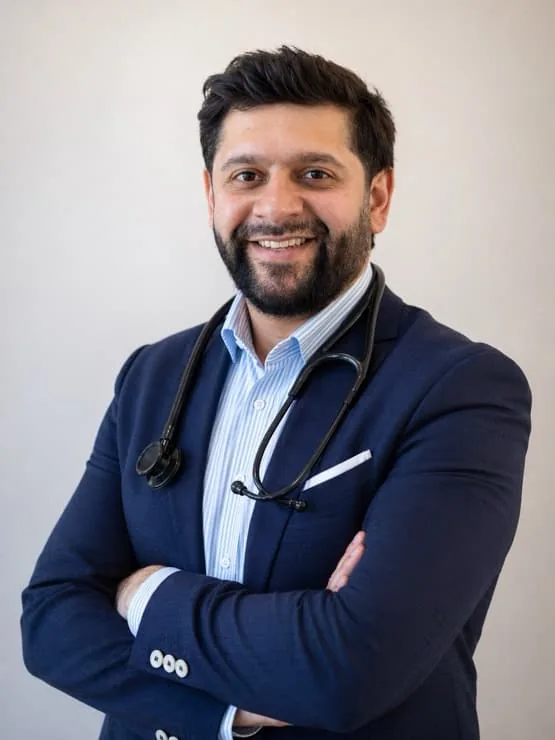
Expert PCOS care from Dr Faizal Secretary
Dr Faizal Secretary is a GMC-registered private GP with extensive experience in NHS general practice and acute medicine. He provides personalised assessment and treatment for polycystic ovary syndrome, tailored to each patient's individual needs. As part of our wider women's health services, Dr Secretary supports patients with a range of hormonal, menstrual and reproductive health concerns.
"Every woman deserves personalised, compassionate care to help them manage their health with confidence."
Dr Faizal Secretary, MBChB MRCGP · Read the full profile →
PCOS — commonly asked questions
What causes PCOS?
The exact cause of PCOS isn't fully understood. It's thought to involve a combination of genetic and hormonal factors, including insulin resistance and higher-than-normal androgen levels.
At what age does PCOS usually develop?
PCOS often develops during the late teenage years or early twenties, although it can be diagnosed at any stage during the reproductive years.
Can PCOS symptoms change over time?
Yes. Symptoms can change with age, weight changes, pregnancy, and hormonal fluctuations. Some women notice improvements, while others may develop new symptoms.
Can PCOS affect my mental wellbeing?
Yes. Some women with PCOS experience anxiety, low mood, or reduced confidence due to the physical and hormonal effects of the condition. Discussing these concerns with your GP is important.
Does everyone with PCOS have ovarian cysts?
No. Despite its name, not all women with PCOS have cysts on their ovaries, and having ovarian cysts alone doesn't mean you have PCOS.
Can PCOS affect my skin?
Yes. PCOS can contribute to acne, oily skin, and darkened patches of skin due to hormonal changes.
Can PCOS cause excessive hair growth?
Yes. Increased androgen levels may cause excess hair growth on the face, chest, abdomen, or back in some women.
Is PCOS a lifelong condition?
PCOS is a long-term condition, but symptoms can often be managed effectively with appropriate treatment and regular follow-up.
Should I be concerned if my periods suddenly become irregular?
Irregular periods can have several causes, including PCOS. A medical assessment can help determine the underlying reason.
Can lifestyle changes help manage PCOS?
For many women, regular exercise, a balanced diet, and maintaining a healthy weight can help improve symptoms and overall health.
Can I still have children if I have PCOS?
Many women with PCOS go on to have successful pregnancies. If you're having difficulty conceiving, early assessment can help identify appropriate management options.
Do I need ongoing follow-up for PCOS?
Depending on your symptoms and treatment plan, periodic reviews may be recommended to monitor your progress and overall health.
Book a private PCOS consultation in Preston
Whether you're experiencing irregular periods, acne, unwanted hair growth, fertility concerns, or other symptoms of polycystic ovary syndrome, Dr Faizal Secretary provides personalised, GP-led care in a professional and supportive setting. Patients from Preston and across Lancashire can access comprehensive assessment, tailored treatment, and ongoing follow-up — in person, by telephone, or by secure video consultation, with evening and Saturday appointments at our Fulwood clinic.