Skin Tag Assessment & Removal
Skin tags are small, soft, harmless growths that often catch on clothing or jewellery. Dr Faizal Secretary can confirm the diagnosis and, where appropriate, arrange safe removal by minor surgery.
GP-led assessment · Minor surgery available · No referral needed

Key Takeaways
- A skin tag is a small, soft, flesh-coloured or brown growth that hangs off the skin, usually on a thin stalk. Skin tags are very common and harmless.
- They tend to form where skin rubs against skin or clothing, and are more common with age, in skin folds, during pregnancy, and with overweight or diabetes.
- A GP can assess a skin tag that catches or snags and arrange safe removal, by excision, electrocautery or cryotherapy, where appropriate.
- No referral is needed, and same-day appointments are available.
What is a skin tag?
A skin tag is a small, soft, flesh-coloured or brown growth that hangs off the skin, usually on a thin stalk. They are very common and completely benign. Skin tags most often appear where skin rubs against skin or clothing, such as the neck, armpits, eyelids, groin, and under the breasts. They are painless, but can catch, snag, bleed, or simply feel bothersome.
Most skin tags do not need treatment. It is worth having one assessed if it is catching or bleeding, growing or changing in appearance, or if you are unsure whether it is a skin tag or another type of lesion. During your consultation, Dr Faizal Secretary examines the lesion to confirm it is a harmless skin tag rather than something that needs further investigation.
Where removal is appropriate, it can usually be carried out as a simple minor surgery procedure in clinic, using techniques such as cryotherapy, cauterisation, or a small excision under local anaesthetic. Dr Faizal will explain your options, what to expect, and aftercare. Skin tag removal is generally considered cosmetic and is not usually available on the NHS, which is why many people choose private care.
We Can Also Help With
Skin Conditions & Rashes
GP-led assessment and treatment of rashes, eczema, psoriasis, acne and more.
Learn more →Skin Tag Removal
GP-led skin tag removal by excision, electrocautery, or cryotherapy.
Learn more →Minor Surgery
In-clinic removal of skin tags, cysts, lipomas and other minor lesions.
Learn more →Moles
Mole checks and removal, with referral where a mole needs closer assessment.
Learn more →Private GP Appointments
Same-day, unhurried consultations with Dr Faizal Secretary.
Learn more →Frequently Asked Questions
What causes skin tags?
Skin tags are thought to form where skin rubs against skin or clothing. They are more common with age, in skin folds, during pregnancy, and in people who are overweight or have diabetes. They are harmless and not contagious.
Are skin tags dangerous?
Skin tags are benign and not dangerous. However, if a lesion changes in size, shape, or colour, bleeds, or you are not sure it is a skin tag, it is worth having it assessed so that other conditions can be ruled out.
Can a skin tag be removed?
Yes. Where appropriate, Dr Faizal Secretary can remove a skin tag by minor surgery in clinic, using cryotherapy, cauterisation, or a small excision under local anaesthetic. He will discuss the most suitable method for your skin tag.
Does skin tag removal hurt?
Removal is usually quick and well tolerated. Local anaesthetic is used where needed, so the procedure itself should not be painful. You may feel minor discomfort afterwards, which settles quickly.
Will skin tags grow back after removal?
A skin tag that has been fully removed does not usually grow back in the same spot, although new skin tags can appear elsewhere over time, particularly in areas prone to friction.
Is skin tag removal available on the NHS?
Skin tag removal is generally considered cosmetic and is not usually offered on the NHS. Private removal at My Private Clinic gives you quick access to assessment and treatment without a referral.
Editorial and medical review
Who wrote and checked this page
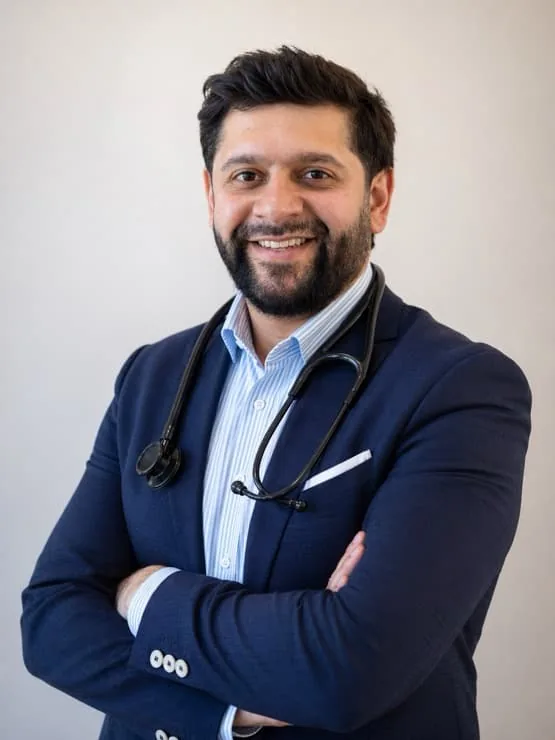
Every clinical page is checked by our medical content editor and approved by Dr Faizal before it is published. Read our editorial standards.
Ready to Be Seen?
Mon–Thu 5–8pm · Friday 9am–8pm · Saturday 9am–1pm.
Or call 01772 503070, or WhatsApp 01772 503070